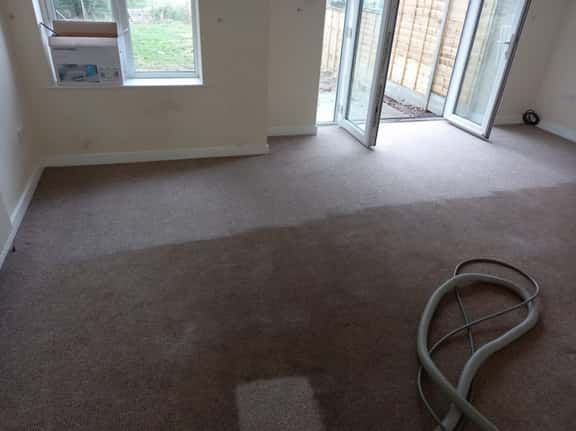
Carpets collect far more than the dirt visible on the surface. Fine soil, dust, spills and residues can settle deep within the fibres, where ordinary vacuuming may not remove them effectively. Over time, this build-up can leave a carpet looking dull, uneven and difficult to refresh.
Professional carpet cleaning combines careful assessment, suitable equipment and methods selected for the particular carpet. The aim is not simply to make the surface appear cleaner, but to remove embedded soiling while treating the fibres and backing appropriately.
The Benefits of Professional Carpet Cleaning
Different carpets respond differently to moisture, agitation and cleaning products. Fibre type, construction, colourfastness and the nature of any staining should all be considered before work begins.
A professional cleaner can assess:
- The carpet’s fibre and construction
- The level and type of soiling
- Areas of heavy foot traffic
- Spots, spills and previous treatments
- Colour stability
- The condition of joins and edges
- The most suitable cleaning method
- The appropriate level of moisture and agitation
This assessment helps the cleaning process deliver a consistent result without relying on a single method for every carpet.
More Effective Removal of Embedded Soil
Vacuuming is essential for routine carpet care, but it mainly removes loose surface material. Fine particles can settle between fibres and become increasingly difficult to extract, particularly in frequently used areas.
Professional equipment is designed to loosen and remove this embedded soil. Careful pre-vacuuming, targeted agitation and controlled extraction can improve the appearance of the carpet and reduce the dullness associated with accumulated dirt.
The difference is often most noticeable along walkways, near entrances and around commonly used furniture.
Appropriate Treatment for Different Carpet Fibres
Natural and synthetic carpet fibres have different cleaning requirements. A method that works well for one carpet may be unsuitable for another.
Using excessive moisture, aggressive agitation or an incompatible product can affect texture, colour or drying. A professional cleaner selects the process according to the carpet rather than treating every floor covering in the same way.
This may involve adjusting:
- Cleaning products
- Water temperature
- Agitation
- Moisture levels
- Extraction technique
- Drying procedures
The objective is to achieve effective cleaning while respecting the construction of the carpet.
Better Management of Spots and Stains
Spills can contain oils, sugars, dyes or other substances that react differently with carpet fibres. Applying a general household product may not remove the mark and can occasionally spread it, lighten the colour or leave a sticky residue.
Professional spot treatment begins by considering what caused the mark and how the carpet is likely to respond. Some stains can be greatly improved, while others may have permanently altered the fibre.
A responsible cleaner should provide realistic expectations rather than promising that every stain will disappear completely.
Attention to High-Traffic Areas
Hallways, doorways and main routes through a room tend to collect more soil than areas beneath furniture. Repeated foot traffic can press particles deeper into the pile and make these sections look darker or flatter.
Professional cleaning can give these areas targeted attention through suitable pre-treatment and agitation. Although cleaning cannot reverse physical wear, it can remove the soil that exaggerates the worn appearance.
Understanding the difference between soiling and fibre damage is important. A trained cleaner can explain whether a dark area requires cleaning or reflects permanent wear.
Controlled Use of Cleaning Products
Using too much detergent can leave residue within the carpet. This residue may make fibres feel less natural and can attract new soil, causing the carpet to appear dirty again sooner.
Professional cleaning involves measured product application and thorough removal. The solution should be strong enough to address the soiling without unnecessarily saturating the carpet or leaving avoidable residue behind.
Correct product selection also matters where children or pets regularly use the room, as the carpet should be rinsed and dried in accordance with the chosen process.
Careful Moisture Management
Excessive moisture can lengthen drying times and, in unsuitable circumstances, may affect backing materials, joins or surrounding surfaces. Professional equipment allows the cleaner to apply and recover moisture in a controlled way.
Drying time will depend on the carpet, cleaning method, room conditions and level of soiling. Ventilation and airflow can help, and clear aftercare guidance should explain when the carpet can be used normally again.
Careful moisture management is a major advantage over using unfamiliar equipment without understanding the carpet’s construction.
A More Consistent Finish
Uneven cleaning can leave visible differences between treated and untreated areas. Professional cleaning considers the whole carpet, including edges, corners, traffic lanes and accessible spaces around furniture.
This produces a more uniform appearance and reduces the risk of isolated patches drying differently. Grooming the pile after cleaning may also help the carpet settle with a consistent finish.
Support for Ongoing Carpet Care
A professional cleaner can provide practical guidance based on the carpet’s condition and how the room is used. This may include recommendations for vacuuming, responding to spills and preventing soil from being tracked inside.
Useful habits include:
- Vacuuming high-use areas regularly
- Blotting spills instead of rubbing them
- Avoiding untested cleaning products
- Using entrance mats
- Moving furniture carefully
- Arranging cleaning before heavy soiling becomes established
Consistent care between professional cleans can help the carpet remain presentable for longer.
Why Experience Matters
Effective carpet cleaning requires judgement as well as equipment. The cleaner must recognise the fibre, identify potential risks, choose suitable products and adjust the process as the work progresses.
At K&S Carpet Cleaning Rochester, we assess the carpet before selecting an appropriate cleaning method. This allows the service to reflect the carpet’s material, condition and level of use rather than applying the same treatment in every situation.
Conclusion
Choosing a professional carpet cleaner provides access to suitable equipment, informed product selection and methods matched to the carpet. It can remove embedded soil, improve heavily used areas and produce a more consistent result than surface-level cleaning alone.
If the carpets in your Rochester, Kent, property have become dull, marked or difficult to refresh, contact K&S Carpet Cleaning Rochester to arrange a professional assessment and discuss the most suitable cleaning approach.
Call us on: 01634 568 992
Click here to find out more about K&S Carpet Cleaning Rochester
Click here to complete our contact form and see how we can help with your carpet needs.